




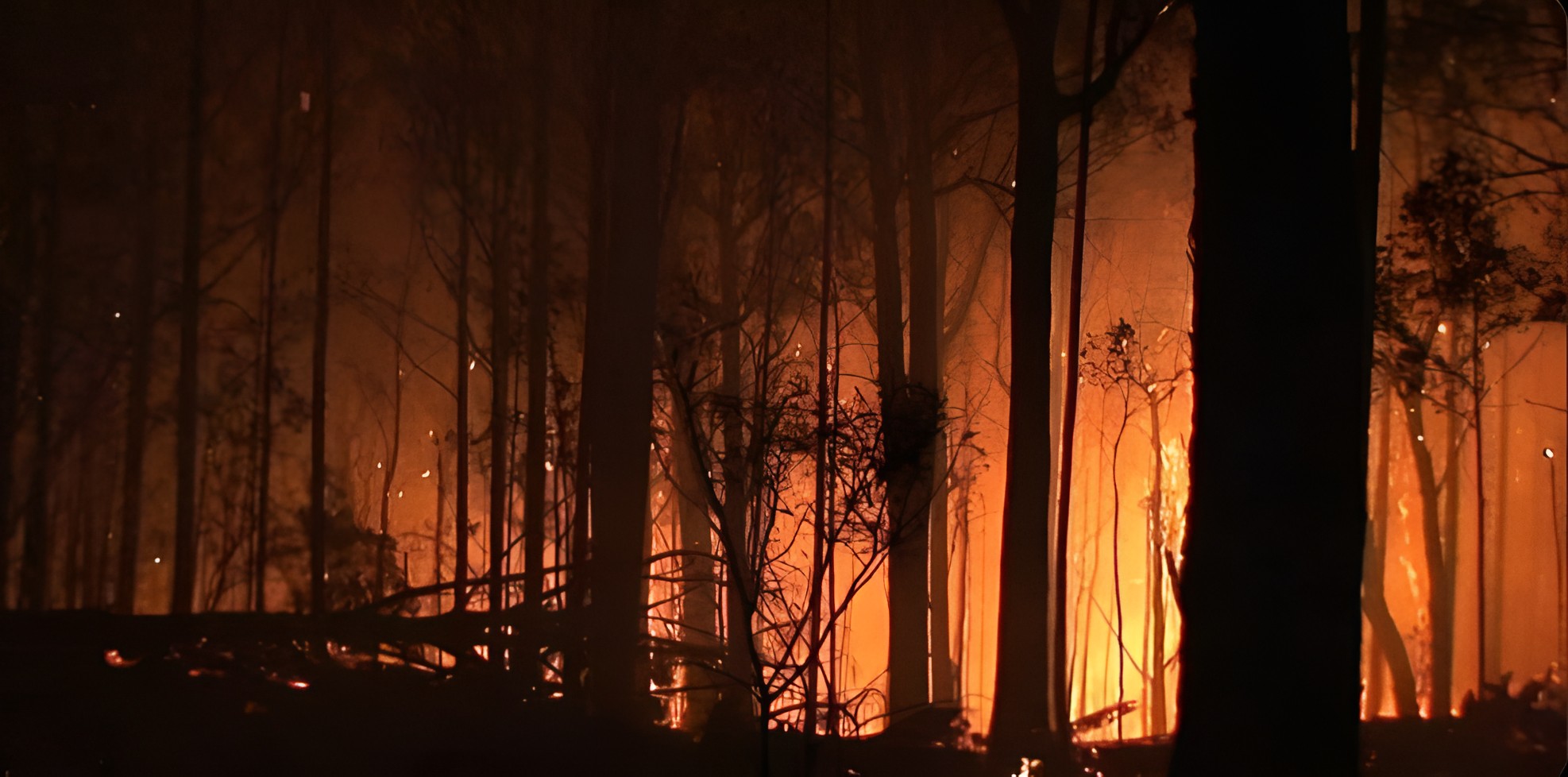
If your Newcastle property sits within a mapped bushfire-prone area — think land backing onto Blackbutt Reserve, or a block near Glenrock Lagoon — a Bushfire Assessment Report isn’t optional, and it’s not something to leave until the week before you’re hoping to lodge your DA. Here’s a realistic timeline for the report itself, plus the specific risks that can quietly add weeks to your development approval if they’re not managed upfront.
How Long Does A Bushfire Assessment Report Actually Take?
For a typical residential site, a full RFS-referral-ready Bushfire Assessment Report in Newcastle generally runs two to four weeks from start to finish. That process moves through several distinct stages: an initial consultation to understand your site and proposal, desktop mapping analysis using the RFS’s bushfire-prone land mapping and vegetation categories, a site inspection to assess vegetation, slope and access, a Bushfire Attack Level (BAL) determination, and finally, drafting the report itself.
The important detail most people miss: that two-to-four-week clock only starts once your consultant has proper site access and any existing survey data your project has already generated. If you’re still waiting on a survey, or access to the block isn’t confirmed, the report timeline effectively hasn’t begun yet, regardless of when you first made contact.
What Is A Preliminary Bushfire Assessment Report?
A preliminary bushfire assessment is a shorter, earlier-stage assessment used to give you an indicative Bushfire Attack Level rating and a general sense of what bushfire protection measures your design will need to accommodate — useful for early feasibility, budgeting, or working with your architect before construction drawings are locked in.
It’s not the same as the full Bushfire Assessment Report required for DA lodgement and RFS referral. The full report goes into considerably more depth: detailed vegetation and slope analysis specific to your final site plan, a formal BAL determination against AS 3959, and the specific bushfire protection measures (construction standards, asset protection zones, access and water supply provisions) your consent authority and the RFS need to see addressed before granting approval.
If you’re still unsure whether your project needs a BAL certificate or the full report, our earlier guide, Which Bushfire Report Do You Need For Your NSW Development Application?, breaks down the difference before you commission anything.
Why Bushfire-Prone Sites Trigger RFS Referral
If your Newcastle property sits on land mapped as bushfire-prone, your DA is generally classified as integrated development, which means it must be referred to the NSW Rural Fire Service for concurrence before council can determine your application. This referral pathway comes with its own fees and a separate assessment timeframe on top of council’s standard DA processing.
Part of your timeline depends on how quickly your Bushfire Attack Level (BAL) assessment can be completed on-site, since the BAL rating feeds directly into the final report, and an incomplete or poorly supported BAL assessment is one of the more common reasons a report gets sent back for revision before it even reaches the RFS.
What Can Delay A Bushfire Assessment Report Or DA Approval
A handful of specific issues account for most of the delays we see on Newcastle sites:
Delayed site access or missing survey data. Since the assessment clock doesn’t start until your consultant can physically inspect the site, any delay here pushes the entire timeline back before work has even begun.
A report that doesn’t properly address RFS concurrence requirements. This is the risk that catches a lot of applicants out. If a Bushfire Assessment Report doesn’t sufficiently address the specific requirements the RFS needs to grant concurrence — the right level of detail on asset protection zones, construction standards under AS 3959, or access and water provisions — it can trigger a Request for Additional Information from the RFS or council. This isn’t a minor hiccup; it can add weeks, and in some cases months, on top of your original timeline, since the request effectively pauses your DA until it’s resolved.
Design changes made after the report is drafted. If your architect or builder revises the footprint, access, or site layout after the bushfire assessment is complete, the report may need to be updated to reflect the change, adding another round of review.
Uncertainty about whether the site is genuinely bushfire-prone. Bushfire-prone land mapping is periodically updated, and it can take some time for changes to filter through to official planning certificates. Confirming your site’s current mapped status early avoids working from outdated information.
Planning Your Newcastle DA Timeline Around The Bushfire Report
Because the RFS referral pathway adds a genuine, separate assessment step on top of standard council processing, the safest approach is to commission your Bushfire Assessment Report early in your DA preparation, rather than treating it as a final box to tick before lodgement. If your site sits within one of Newcastle’s mapped bushfire-prone pockets, getting a bushfire assessment report in Newcastle early gives your DA timeline the best chance of staying on track, particularly if you’re already coordinating a builder or construction start date around it.
If your DA lodgement date is approaching, get in touch now so we can schedule your site inspection before your window narrows.
FAQs
How Long Does A Bushfire Assessment Report Take From Start To Finish?
Typically two to four weeks, covering initial consultation, desktop mapping, site inspection, BAL determination and report drafting. This timeframe starts once site access and any existing survey data are provided, not from initial enquiry.
What's the difference between a preliminary bushfire assessment and a full Bushfire Assessment Report?
A preliminary assessment gives an early, indicative BAL rating useful for feasibility and design planning. A full Bushfire Assessment Report is the detailed, RFS-referral-ready document required for DA lodgement, addressing formal BAL determination and specific bushfire protection measures against AS 3959.
Why does my bushfire-prone site need RFS referral for a DA?
Development on land mapped as bushfire-prone is generally classified as integrated development under the EP&A Act, requiring formal concurrence from the NSW Rural Fire Service before council can determine the application.
What happens if the RFS requests more information about my Bushfire Assessment Report?
A Request for Additional Information pauses your DA assessment until the report is revised and resubmitted, which can add weeks or months to your timeline. This is more likely if the original report doesn’t adequately address specific RFS requirements.
What happens if the RFS requests more information about my Bushfire Assessment Report?
The most effective way is ensuring site access and any available survey data are provided as early as possible, since the assessment timeline only begins once your consultant can properly inspect the site.